Click on the video below to learn how textile recycling works.
Recycling Basics
Recycling is the process of collecting and processing materials that would otherwise be thrown away as trash and turning them into new products. Recycling can benefit your community and the environment.
Benefits of Recycling
- Reduces the amount of waste sent to landfills and incinerators;
- Conserves natural resources such as timber, water, and minerals;
- Prevents pollution by reducing the need to collect new raw materials;
- Saves energy;
- Reduces greenhouse gas emissions that contribute to global climate change;
- Helps sustain the environment for future generations;
- Helps create new well-paying jobs in the recycling and manufacturing industries in the United States.
Steps to Recycling Materials
Recycling includes the three steps below, which create a continuous loop, represented by the familiar recycling symbol.
- Step 1: Collection and Processing
- Step 2: Manufacturing
- Step 3: Purchasing New Products Made from Recycled Materials
Reducing and Reusing Basics
The most effective way to reduce waste is to not create it in the first place. Making a new product requires a lot of materials and energy: raw materials must be extracted from the earth, and the product must be fabricated and then transported to wherever it will be sold. As a result, reduction and reuse are the most effective ways you can save natural resources, protect the environment, and save money.
Benefits of Reducing and Reusing
- Prevents pollution caused by reducing the need to harvest new raw materials;
- Saves energy;
- Reduces greenhouse gas emissions that contribute to global climate change;
- Helps sustain the environment for future generations;
- Saves money;
- Reduces the amount of waste that will need to be recycled or sent to landfills and incinerators;
- Allows products to be used to their fullest extent.
Ideas on How to Reduce and Reuse
- Buy used. You can find everything from clothes to building materials at specialized reuse centers and consignment shops. Often, used items are less expensive and just as good as new.
- Look for products that use less packaging. When manufacturers make their products with less packaging, they use less raw material. This reduces waste and costs. These extra savings can be passed along to the consumer. Buying in bulk, for example, can reduce packaging and save money.
- Buy reusable over disposable items. Look for items that can be reused; the little things can add up. For example, you can bring your own silverware and cup to work, rather than using disposable items.
- Maintain and repair products, like clothing, tires, and appliances, so that they won't have to be thrown out and replaced as frequently.
- Borrow, rent, or share items that are used infrequently, like party decorations, tools, or furniture.
Donation
One person's trash is another person's treasure. Instead of discarding unwanted appliances, tools, or clothes, try selling or donating them. Not only will you be reducing waste, you'll be helping others. Local churches, community centers, thrift stores, schools, and nonprofit organizations may accept a variety of donated items, including used books, working electronics, and unneeded furniture.
Benefits of Donation
- Prevents usable goods from going into landfills
- Helps your community and those in need
- Tax benefits may be available
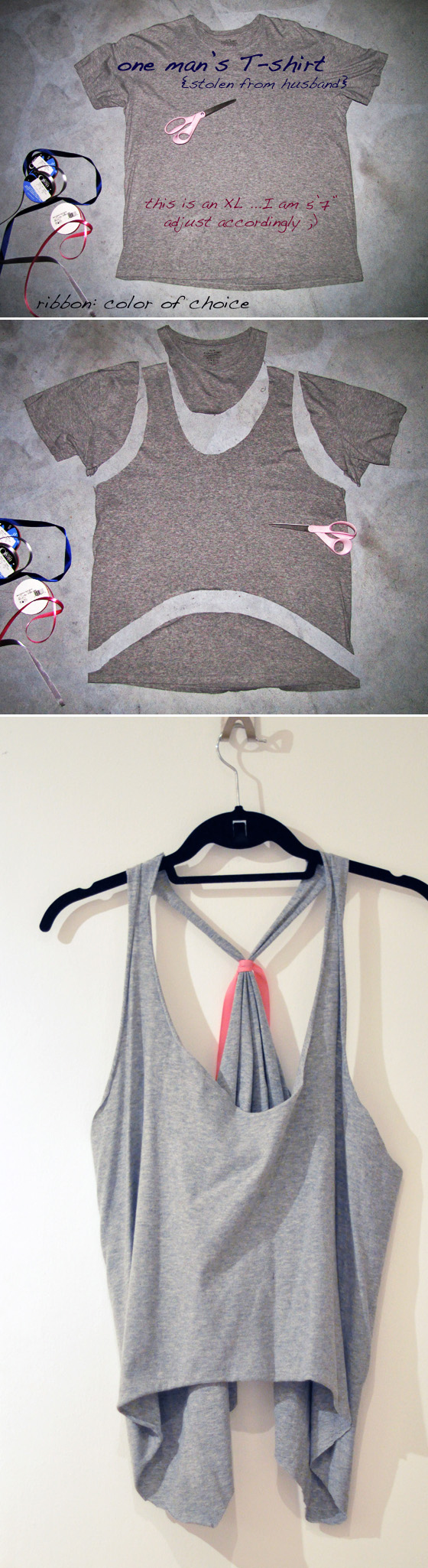
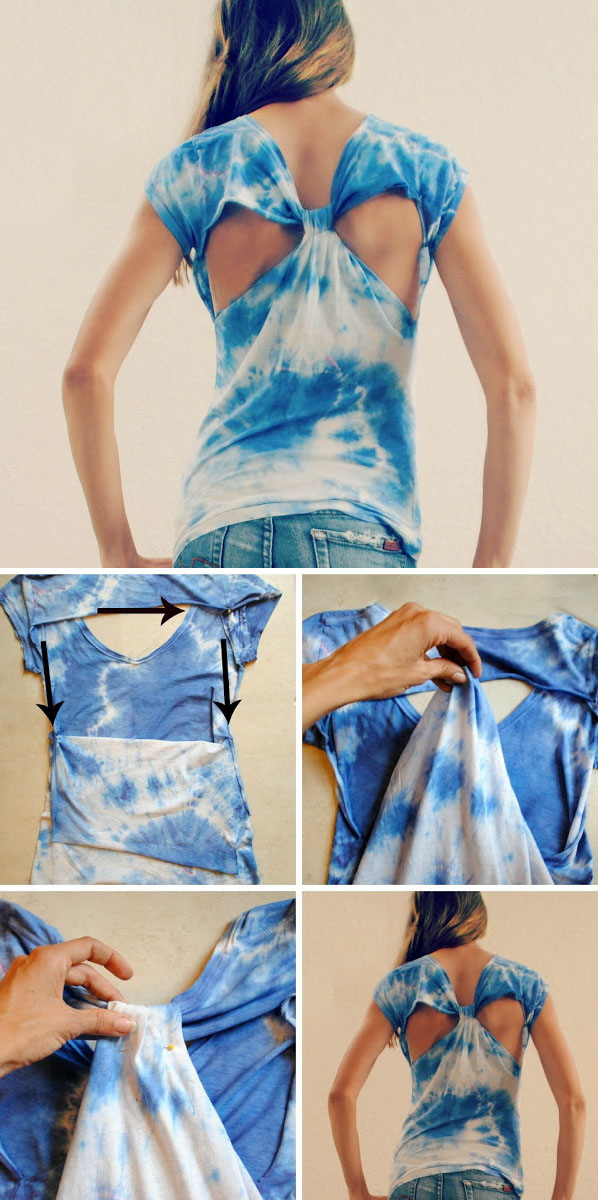
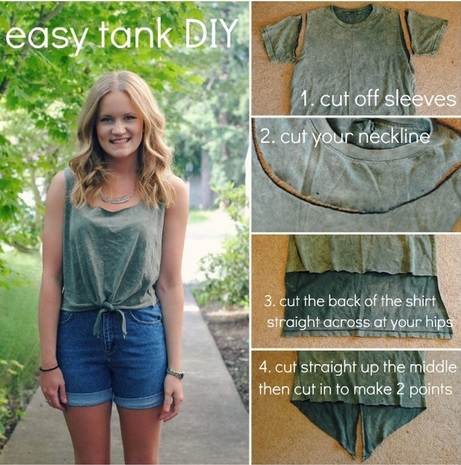
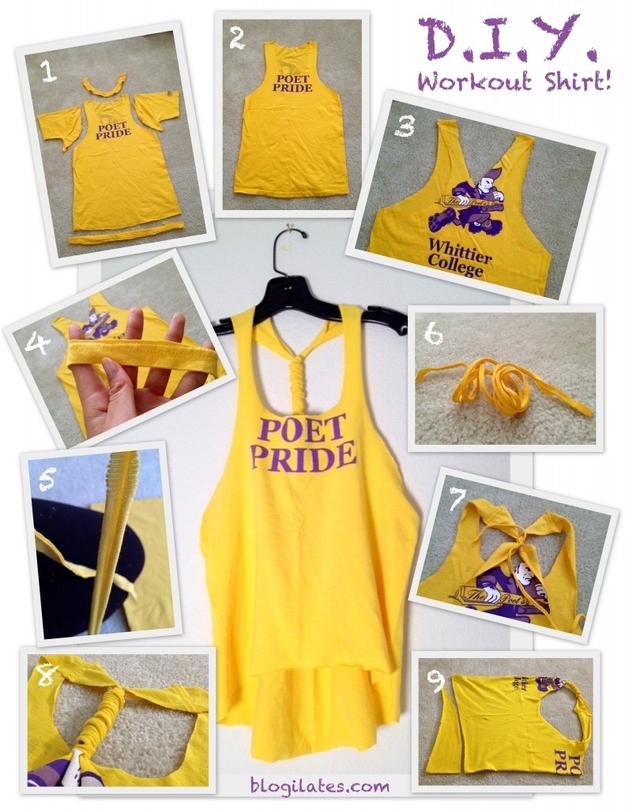
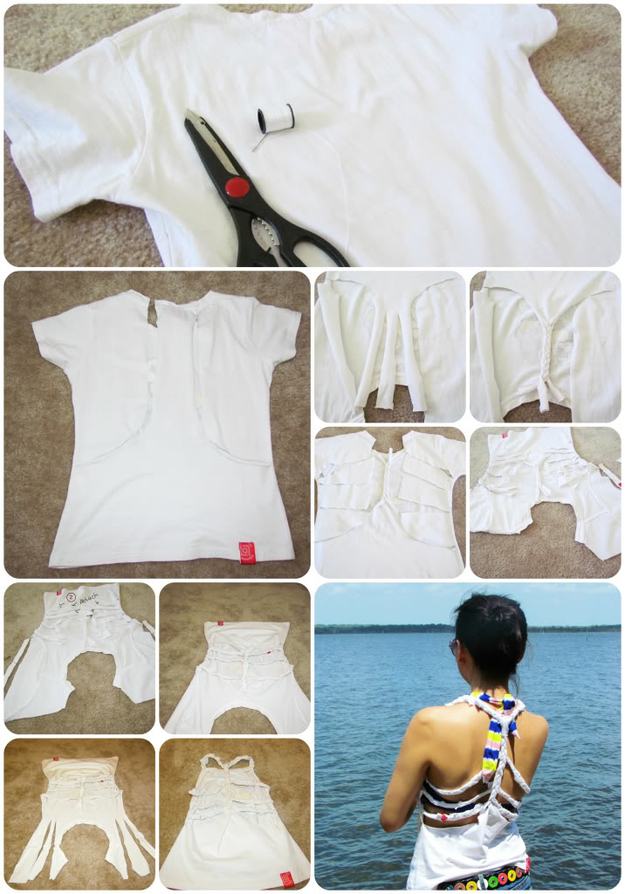
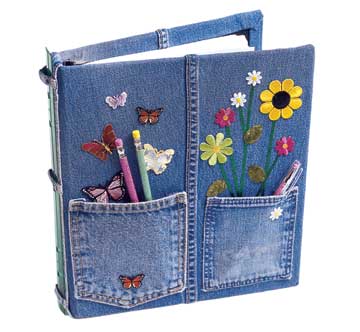
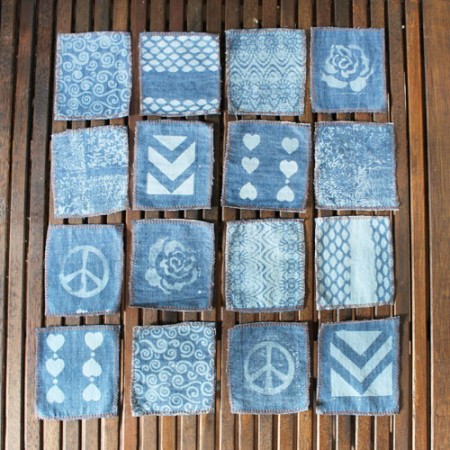
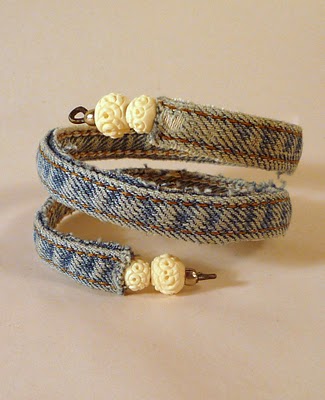
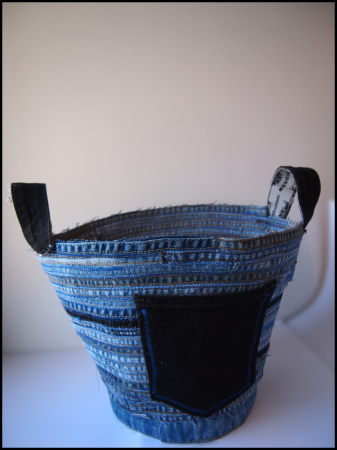
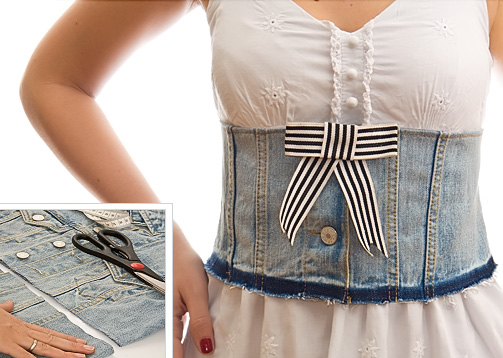
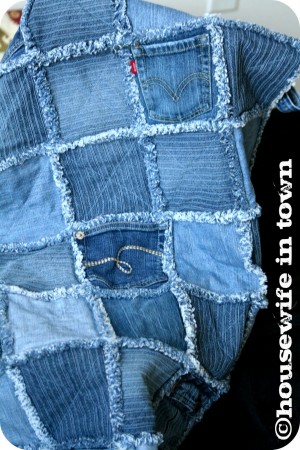
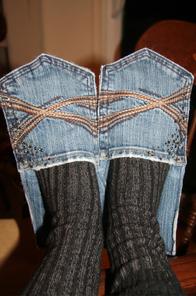
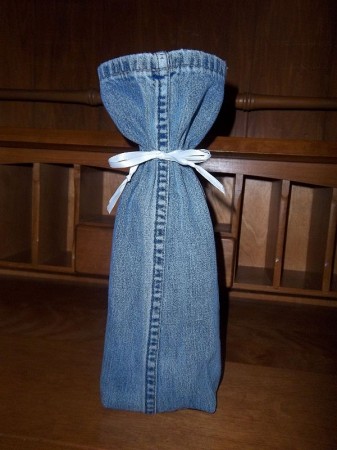
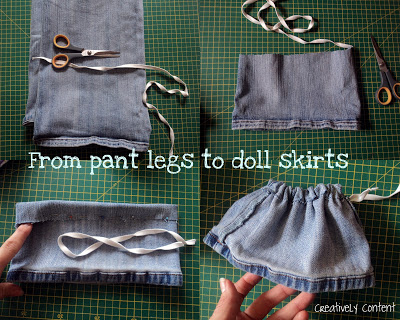
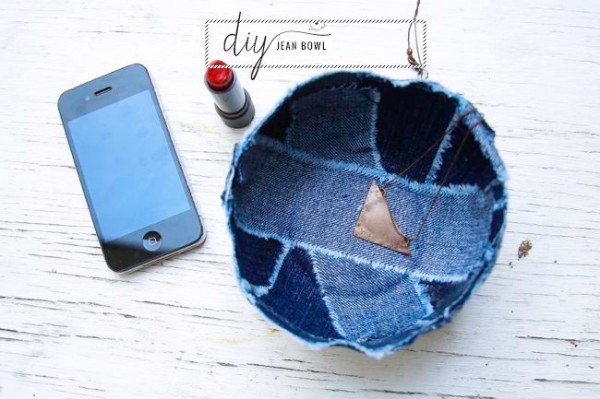
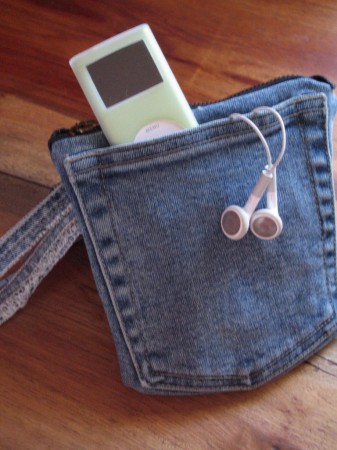
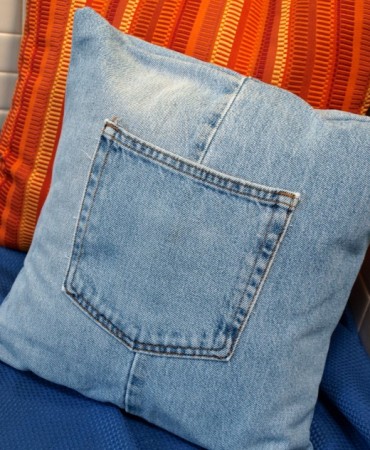
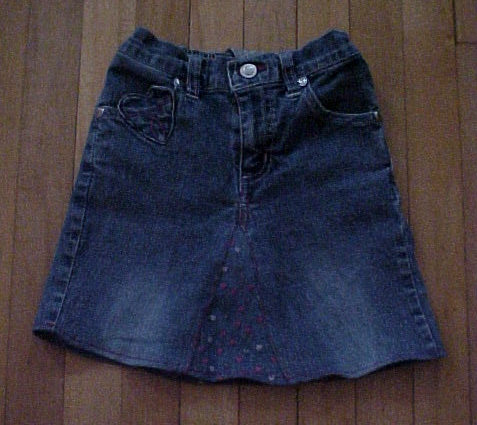
How to get a longer life span from your clothes
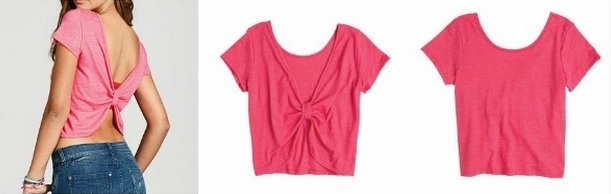
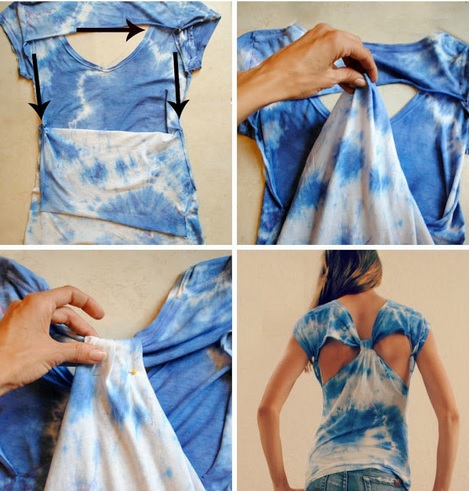
More ideas in the photo gallery on the right hand side of the page.